
How to Reseal Drafty Windows Without Replacing Them
A practical DIY guide to resealing drafty windows before you spend money on full replacement.
The short answer
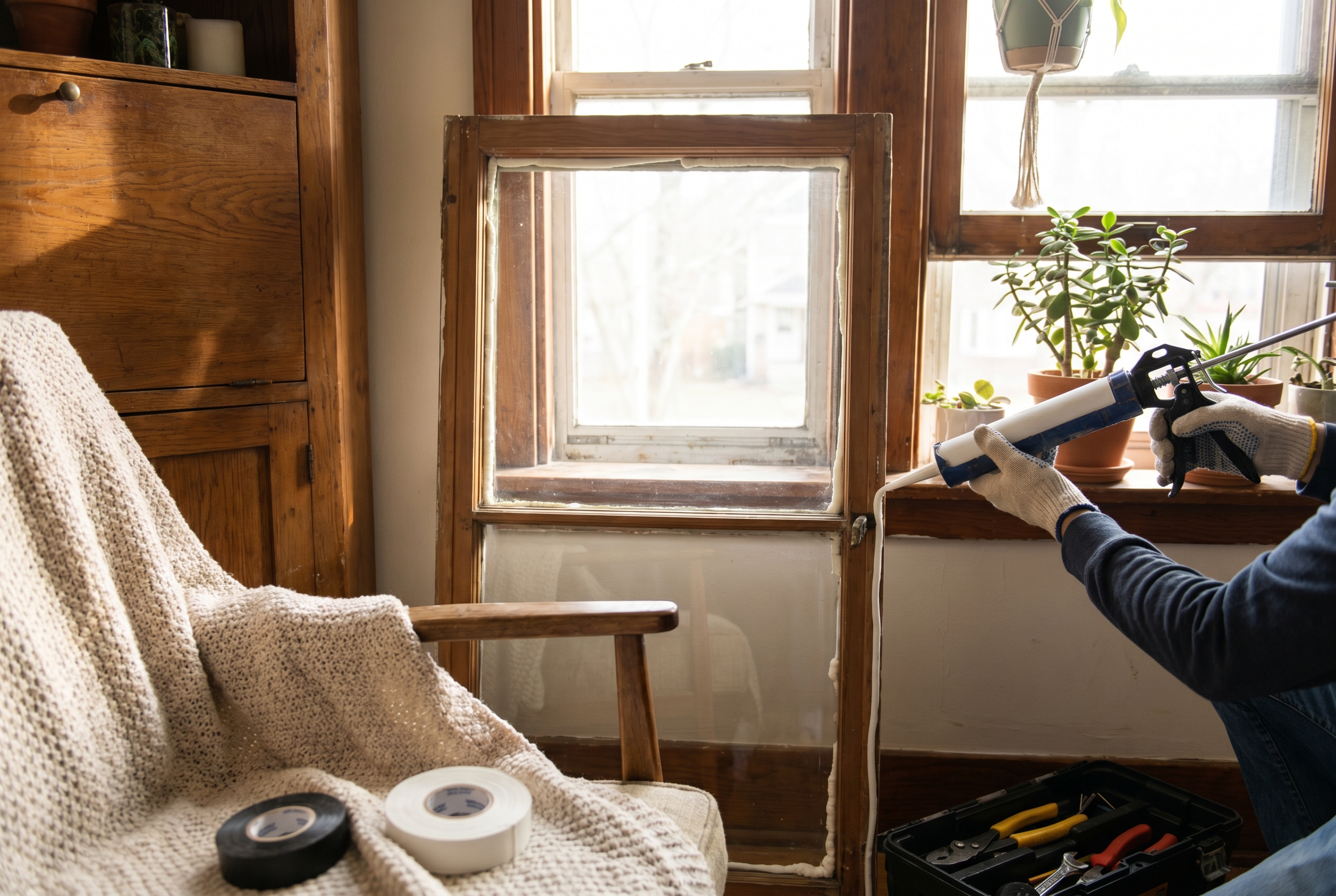
Yes, many drafty windows can be resealed without replacing them. The fix usually involves identifying exactly where air is leaking, replacing failed caulk around trim or casing, adding or replacing weatherstripping at moving sash edges, and checking that the window locks tightly enough to compress the seals.
When resealing helps and when it will not
Resealing is a strong DIY option when the window is basically sound but leaking air through worn sealant, tired weatherstripping, or small gaps around the frame.
It may not be enough if you have:
- Rotten sashes or trim
- Broken glass seals in double-pane units
- Major frame warping
- Windows that will not latch or sit square
- Persistent condensation between panes
Air leakage and glass failure are different problems. This guide addresses the first one.
Where window drafts usually come from
Most drafts show up in one of these spots:
- Between sash and frame because weatherstripping is worn or missing
- At interior trim or casing gaps
- At exterior joints where caulk failed
- Through loose sash locks that no longer pull the window tight
- Through weight-pocket or older stop details in older homes
Finding the exact leak first saves time and materials.
Step 1: Confirm the leak path before sealing anything
On a cool or windy day, move your hand slowly around the sash, stool, apron, and side trim. A smoke pencil or even a thin tissue can help reveal air movement. Mark the draft points with painter’s tape.
This step matters because people often caulk the trim when the real leak is at a worn sash seal or a lock that no longer pulls the meeting rails together.
Step 2: Remove failed caulk and clean the repair surfaces
Use a putty knife or utility knife to remove loose, cracked, or separated caulk. Wipe the area clean and dry. If the gap is deep, plan to use backer rod so the new bead can flex correctly instead of sinking into the void.
New sealant sticks best to clean, dry surfaces. Dust and leftover caulk are two of the main reasons window reseals fail early.
Step 3: Seal non-moving gaps with the right material
Caulk fixed joints around the casing, frame, or exterior trim where air is getting in. Use exterior-rated caulk outside and an appropriate paintable sealant inside where appearance matters.
If the gap is wide, press in foam backer rod first. That reduces waste and helps the bead stretch and flex better over time.
Never caulk shut the moving sash or weep paths intended to drain moisture.
Step 4: Replace weatherstripping where the sash actually moves
Drafts at the sash need weatherstripping, not just more caulk. Replace compressed, torn, or missing weatherstripping with a compatible product for the window style. Then check the sash lock. Sometimes a worn lock is the reason the seal is not being compressed.
A $10 hardware fix can sometimes do more for a draft than a full tube of caulk.
Step 5: Test operation, comfort, and air leakage again
Close and lock the window. Recheck draft points with your hand or smoke pencil. Make sure the sash still opens, closes, and latches as intended.
If a leak remains, look again at the exact location. It may be a hidden trim gap, a misaligned sash, or an area where insulation is missing around the rough opening.
Common mistakes that waste time on drafty windows
Caulking moving parts shut
That can damage operation and still fail to stop the real leak.
Ignoring a loose sash lock
If the window is not pulled tight, even good weatherstripping may not do much.
Sealing over dirty or wet surfaces
Poor prep leads to poor adhesion.
Expecting resealing to fix failed insulated glass
If the seal between panes is broken, air sealing around the trim will not solve that issue.
DIY vs calling a pro
DIY makes sense for ordinary air leaks, minor trim gaps, and weatherstripping replacement.
Consider a pro if:
- the window frame is rotten or badly out of square
- multiple windows show major installation gaps
- you suspect hidden water intrusion around the opening
- the glass unit itself has failed and needs replacement
Internal links you may also want
- How to Fix Cracks in Exterior Wood Trim Before Painting
- How to Fix Peeling Caulk Around a Bathtub or Shower
- Bathroom Re-Caulking Cost Estimator
Frequently asked questions
Can drafty windows be resealed instead of replaced?
Yes, if the main issue is air leakage around the sash, trim, or frame instead of major rot or failed insulated glass.
What causes a window to feel drafty?
Common causes include worn weatherstripping, failed caulk, loose locks, trim gaps, and frame movement over time.
Should I caulk inside or outside around windows?
Often both, but only at fixed joints. Use the right sealant for each side and do not caulk moving sash areas shut.
What weatherstripping works best for old windows?
It depends on the window type, but adhesive-backed foam, V-strip, and specialty sash seals are common solutions when matched correctly to the gap.
When should I replace a window instead of resealing it?
Replacement is more likely when the frame is rotten, the sash is warped, or the insulated glass seal has failed.